
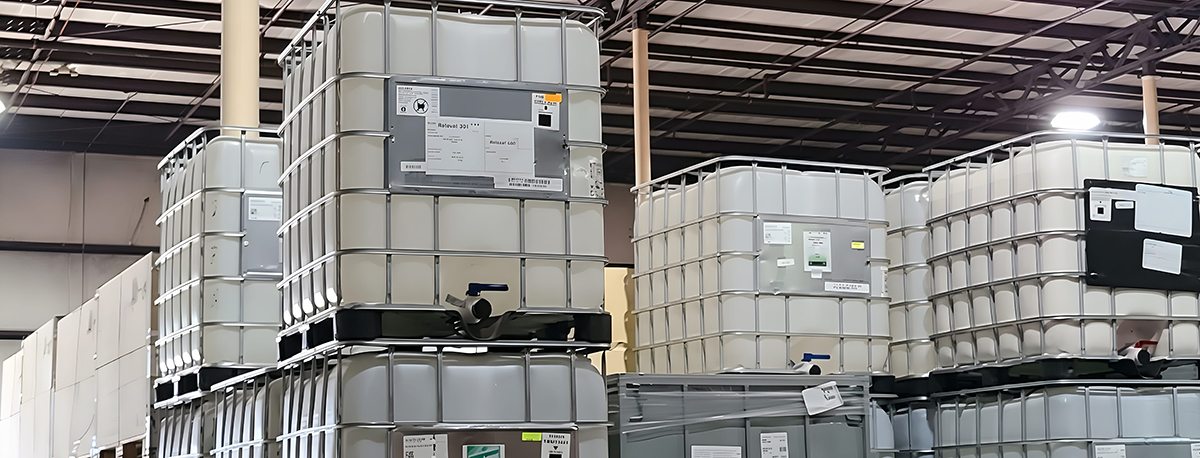
Chemical manufacturers, distributors, and importers, need to consider several factors when choosing a 3PL warehousing partner. Chemical products require controlled handling, clear procedures, trained people, and a facility that understands the requirements of the materials being stored.
Before selecting a 3PL, companies should make sure the provider understands the requirements of their specific products. Not every warehouse is equipped, approved, or prepared to handle every type of chemical material. The right partner should be able to review product details carefully and determine whether the facility, procedures, training, and equipment are suitable.
One of the first questions to ask is whether the 3PL is cleared to handle the specific hazmat class or classes assigned to the product. A provider may be able to manage certain hazardous materials but not others. Chemical companies should confirm which classes the facility can accept, whether there are restrictions by packaging type or quantity, and whether the provider’s procedures align with the product’s Safety Data Sheet, labeling, storage, and transportation requirements.
Because safe and accurate chemical handling depends on warehouse personnel who understand the procedures they are expected to follow, companies should ask how the 3PL's workers are trained, how safety information is made available, and how supervisors ensure that handling requirements are followed consistently.
In regards to receiving, chemical companies should ask how incoming product is inspected, verified, and documented. They should also ask how dented, leaking, or mislabeled, containers are handled, and how leaks and spills are managed. Who is responsible for notifying the client? How quickly are exceptions reported? The answers to these questions can reveal how disciplined and prepared the operation really is.
Storage practices should also be discussed. A qualified 3PL should be able to explain how inventory is organized, how incompatible materials are separated, and how products are protected from avoidable handling errors.
Inventory control and traceability are also key considerations. Chemical companies often need visibility into lot numbers, product movement, holds, shipping activity, and inventory status. A dependable 3PL should have systems and procedures that support accurate receiving, storage, picking, shipping, and reporting.
A strong chemical warehousing partner should clearly communicate what it cannot handle. In chemical logistics, saying “no” to the wrong fit is a sign of responsibility. Companies should be cautious of any provider that treats chemical products like ordinary freight or does not ask detailed questions during the evaluation process.
To chemical companies, facility fit, hazmat handling capability, trained personnel, documented procedures, inventory discipline, and reliable communication are extremely important criteria. The best 3PL warehousing partners have a history of reliably storing products appropriately and managing exceptions carefully. They have a track record of timely, clear, and detailed communication; solid processes; and day-to-day warehouse execution that supports the safety, accuracy, and reliability of the chemical supply chain.