
Transportation Efficiency Meets Warehouse Expertise
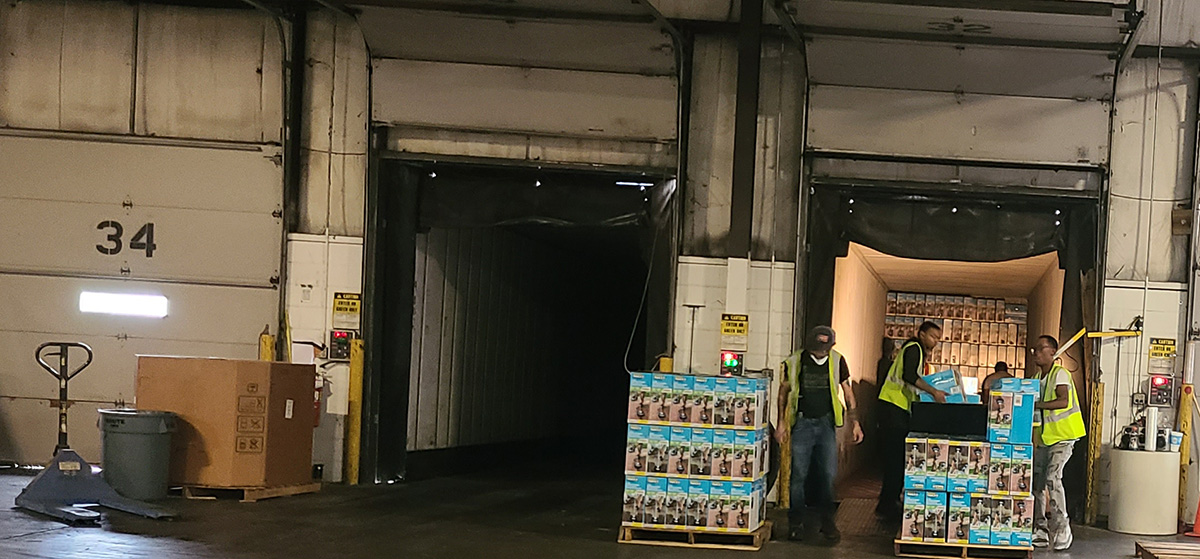
Maximizing Efficiency with Floor-Loaded Shipping Containers
Maximizing shipping space is an important consideration for companies transporting goods internationally. With ocean freight costs representing a significant portion of transportation expenses, getting more products into each container can help reduce shipping costs per unit.
One way companies accomplish this is through floor-loading shipping containers, a method that eliminates pallets and allows cartons to be packed directly into the container. For businesses importing large volumes of goods, the efficient use of space with floor-loaded shipping can contribute to meaningful transportation savings.
While floor-loading can improve transportation efficiency, it requires a different approach to unloading and receiving shipments at their destination. The labor, space, equipment, and coordination involved make experienced warehouse personnel and established receiving processes particularly valuable.
For importers and distributors, an experienced third-party logistics (3PL) provider can play an important role in managing these requirements and keeping products moving efficiently through the supply chain. Realizing the full benefits of floor-loading requires working with a partner that has the right receiving capabilities in place when shipments arrive.
The Receiving Challenges of Floor-Loaded Container Handling
Floor-loaded containers require a different approach to warehouse receiving than palletized shipments. Rather than unloading freight with a forklift, warehouse personnel must physically remove individual cartons, organize them, and frequently build them into palletized loads for storage or distribution.
Several operational requirements make experience, preparation, and consistent procedures especially important.
Labor Requirements and Coordination
A single floor-loaded container may contain hundreds or thousands of cartons. Unloading these shipments requires sufficient personnel and careful coordination of warehouse activities. The number of cartons, their weight and dimensions, and the variety of products within the shipment all influence how receiving teams approach the work. Experienced warehouse workers, appropriate staffing, and advance scheduling help maintain an efficient unloading process while supporting other warehouse operations.
Space and Material-Handling Equipment
Once cartons are removed from the container, they must be staged, sorted, and often palletized. These activities require adequate dock capacity, staging space, pallets, stretch-wrapping equipment, and other material-handling resources. An established 3PL operation can allocate the necessary space and equipment to process floor-loaded shipments while maintaining an organized warehouse environment.
Inventory Accuracy and Product Handling
Floor-loaded shipments may contain multiple product types, SKUs, or purchase orders. Proper receiving involves counting and identifying cartons, documenting visible damage or discrepancies, and organizing products so they can be accurately entered into inventory. Consistent receiving procedures also support proper product handling, from safely removing cartons from the container to building stable pallet loads for storage and distribution.
Container Return Requirements
Imported shipping containers must generally be returned within established timeframes to avoid detention charges. Coordinating dock appointments, unloading personnel, material-handling equipment, and carrier arrivals is an important part of receiving floor-loaded freight. Advance planning and communication help support efficient unloading and timely container returns.
The Importance of an Experienced Receiving Partner
Efficient floor-loaded container handling requires planning, organized workflows, appropriate equipment, and established procedures for safely handling and accurately receiving merchandise. A 3PL with these capabilities can coordinate the receiving process from container arrival through palletizing, inventory verification, and movement into storage or distribution.
This support is particularly valuable for importers and distributors managing recurring container shipments, seasonal merchandise, changing inventory volumes, or multiple product lines. By integrating floor-loaded container handling with other warehousing and distribution services, a 3PL helps maintain an efficient transition from inbound transportation to inventory availability.
How ASW Global Supports Floor-Loaded Container Handling
At ASW Global, our warehousing and distribution capabilities include floor-loaded container unloading, palletizing, inventory management, and related value-added services. Our experienced personnel, material-handling resources, and established warehouse procedures help customers manage the receiving requirements associated with floor-loaded shipments. From individual cartons arriving at the dock to organized inventory ready for storage, fulfillment, or distribution, our team provides the operational support needed to keep products moving.
Need a logistics partner to handle floor-loaded container shipments?
Contact ASW Global to learn how our warehousing and distribution capabilities can support your supply chain.