
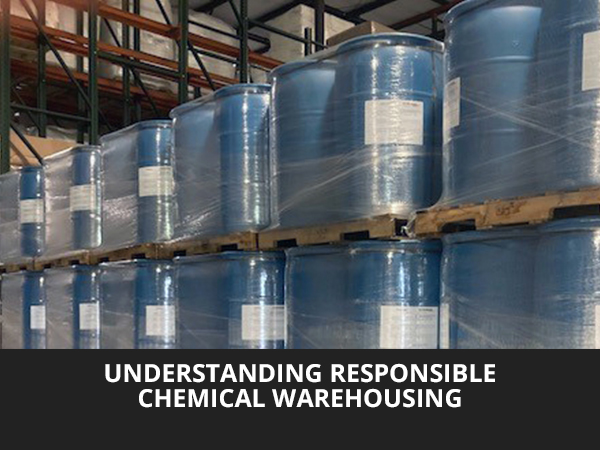
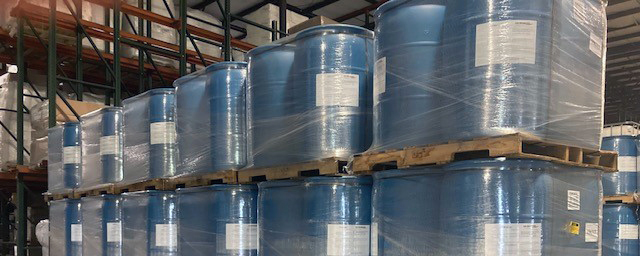
Chemical warehousing requires trained personnel, clear information, appropriate storage practices, and consistent execution from the moment product enters the facility until it is shipped back out. Responsible handling starts before the product arrives. Workers handling chemical products need to be trained to understand any hazards associated with the materials in their work areas; know where to find relevant safety information; and follow established procedures for personal protective equipment, spill response, emergency communication, and safe material movement. While technology can support this work, it cannot replace disciplined execution. Inventory systems, manual documentation or barcode scanning, lot tracking, and documentation controls help maintain visibility, but trained operators and supervisors keep processes reliable on the warehouse floor.
Prior to receiving, a qualified warehouse partner must understand what product needs to be stored, how it is packaged, what hazards (if any) are associated with it, and what handling requirements apply. Safety Data Sheets, product labels, packaging type, compatibility concerns, and emergency response information all help determine how a product should be received, segregated, stored, moved, and shipped.
Once product arrives, warehouse teams should verify product identity, inspect packaging condition, check labeling, confirm quantities, and identify any visible damage or leakage before product is placed into storage. A damaged drum or tote should never be treated as a routine exception. It requires clear procedures, trained personnel, and timely communication with the client. In preparation for storage, chemical products should be organized according to their characteristics, packaging, compatibility, customer requirements, and facility capabilities.
For chemical manufacturers and distributors, outsourcing warehousing can provide flexibility, capacity, and operational support. But chemical warehousing should never be treated as a generic storage arrangement. The right partner will ask detailed questions before accepting product, confirm that the facility is appropriate for the material, and maintain processes that support safety, accuracy, and compliance.
Chemical warehousing by experienced partners combines facility capability, handling discipline, documentation, communication, and experience. It gives chemical companies confidence that their products are being managed carefully and according to regulations.